First Alert vs X-Sense Smoke Alarms: Which Is Better? (October 2026)
Choose X-Sense for 3 standalone smoke alarms, First Alert for a slim single smoke alarm, or First Alert for a combination smoke and CO alarm. Match the choice to the rooms you need to cover, your connection needs, and whether you need carbon monoxide detection.
On this page (6 sections)
Choose X-Sense for 3 standalone smoke alarms, First Alert for a slim single smoke alarm, or First Alert for a combination smoke and CO alarm. In this First Alert vs X-Sense comparison, the right choice depends on how many locations need coverage, whether the alarms need to connect, and whether you need carbon monoxide detection.
The X-Sense SD2J0AX is a 3-pack of smoke-only alarms that work independently. First Alert offers a slim single smoke alarm and a battery-operated combination alarm for smoke and carbon monoxide.
 Best for multi-room coverage
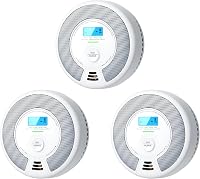
X-Sense SD2J0AX 10-Year Smoke Alarm 3-Pack
 Best for combined hazard coverage
First Alert Battery Smoke and CO Alarm
First Alert vs X-Sense: which alarm fits your home?
Choose X-Sense for several smoke-only locations, First Alert's SM210 for one low-profile smoke alarm, or First Alert's SMICO100 for smoke and CO in one unit. Those differences make the decision clearer than the brand name alone.
Start by counting the locations that need alarms and checking what each location requires. A smoke-only alarm does not cover carbon monoxide, and a standalone alarm does not alert other alarms when it sounds.
Our smoke detector buying guide explains how alarm type, power, and placement shape a replacement choice. Use it if you're still deciding between a smoke-only unit and a combination alarm.
Is First Alert or X-Sense better for one room?
The First Alert SM210 is the more direct fit when you need one smoke alarm with a slim profile. The X-Sense SD2J0AX comes in a 3-pack, which may leave you with more alarms than you need for a single replacement.
Choose the SMICO100 instead when that location needs both smoke and carbon monoxide detection. It is battery operated, but its battery life isn't specified, so don't assume it has the same sealed 10-year design as the SM210.
Skip the X-Sense pack if you need alarms to sound together or want carbon monoxide detection from the same units. It works independently and detects smoke only.
How do the battery and upkeep options compare?
The SM210 and SD2J0AX both use sealed batteries designed for long service, while the SMICO100 is battery operated without a stated battery life. Sealed power can cut routine battery changes, but it doesn't remove the need to follow each alarm's care and replacement instructions.
First Alert says the SM210's sealed battery lasts 10 years and eliminates battery replacements and low-battery chirps for the alarm's life. X-Sense says its built-in battery powers the SD2J0AX for up to 10 years.
The SMICO100 includes a test/silence button and an end-of-life warning. The SM210 also has both features, while the X-Sense has one button for self-tests or silencing nuisance alarms.
Test alarms as directed in their instructions, and don't treat a hush control as a substitute for finding the cause of an alarm. Replace each unit when its end-of-life guidance calls for it.
What does the slim First Alert smoke alarm offer?
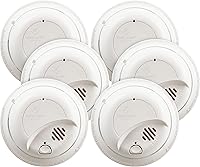
The First Alert SM210 is a single smoke alarm with a 1 in profile. Its slim shape suits locations where a shallower design is preferred, and it includes a test/silence button and an end-of-life warning.
First Alert describes its Precision Detection sensing as reducing cooking nuisance alarms while providing early warning in a home fire emergency. The alarm is photoelectric, and the brand says its sealed battery avoids battery replacements and low-battery chirps for the alarm's life.
Its manufacture date appears on the product. Keep track of the date and follow the alarm's instructions for testing and replacement.
What does the X-Sense SD2J0AX 3-pack offer?
The X-Sense SD2J0AX set includes 3 smoke alarms with built-in batteries that power each alarm for up to 10 years. X-Sense says its photoelectric sensing helps reduce unwanted alarms from everyday cooking fumes and steam.
Each unit is standalone, with no Wi-Fi, app alerts, base station use, or wireless interconnection. The alarms won't sound together, so don't choose them if linked alerts are part of your plan.
X-Sense says each alarm installs with included hardware and needs no wiring. The alarms are ETL listed to meet the UL 217 safety standard, and one button supports self-tests or silencing nuisance alarms.
When does the First Alert combination alarm make sense?
Choose the First Alert SMICO100 when you want smoke and carbon monoxide detection from one battery-operated unit. The SM210 and SD2J0AX are smoke-only alarms, so they can't replace a CO alarm.
The SMICO100 includes a test/silence button and an end-of-life warning. First Alert describes its Precision Detection technology as reducing cooking nuisance alarms and providing early warning in a home fire emergency.
A combination unit can cover both hazards at one location, but it doesn't automatically meet the needs of every room. Plan placement for both hazards and check whether other locations need their own alarms.
Read our guide to whether smoke detectors detect carbon monoxide before relying on a smoke-only alarm for CO coverage. For a separate CO alarm, our guide explains how to test a carbon monoxide detector.
Is the X-Sense pack right for several rooms?
The X-Sense set can simplify buying for 3 smoke-only locations, but it does not create an interconnected system. Count the rooms that need alarms, then decide whether you need each unit to alert people in other parts of the home.
The pack is a good fit when you need several smoke alarms, want no-wire installation, and don't need carbon monoxide detection from those units. Skip it if you want a single alarm, a combined smoke and CO alarm, or linked alerts.
If linked alerts matter, compare alarms made for interconnection. Our guide to wireless interconnected smoke alarms covers that different setup.
For multiple single alarms, plan where each will go and keep a record of its installation date. That makes it easier to follow each unit's replacement guidance.
What should you check before replacing an alarm?
Match the new alarm to your existing power setup, detection needs, and connection requirements before you buy. A battery alarm isn't a like-for-like replacement for a hardwired alarm or an interconnected system.
If you're replacing a hardwired unit, check the existing model and wiring requirements first. These three options are battery operated, and choosing one may change how your home alerts people in other rooms.
Placement matters too. Read our guide to where to place smoke detectors in a house before deciding how many units to install or where to mount them.
Consider the sensing type if nuisance alarms are a concern. The SM210 is photoelectric, the SMICO100 lists an ionization sensor, and the SD2J0AX sensor type isn't specified here.
How do you choose between First Alert and X-Sense?
Pick X-Sense for 3 standalone smoke alarms, the First Alert SM210 for one slim smoke alarm, or the SMICO100 when you need smoke and CO detection together. Let coverage, connection, and detection needs decide.
For several smoke-only locations without a need for linked alerts, the X-Sense pack is the clearest match. For one lower-profile alarm with a sealed 10-year battery, choose the SM210.
Choose the SMICO100 when carbon monoxide detection in the same unit is a priority. The First Alert vs X-Sense choice comes down to the job: multi-room smoke coverage, a slim single alarm, or combined smoke and CO protection.
| Product | Best for | Pack | Power | Connection | Our score |
|---|---|---|---|---|---|
| X-Sense SD2J0AX 10-Year Smoke Alarm 3-Pack | multi-room coverage | 3 smoke alarms | Built-in battery, up to 10 years | Standalone, no interconnection | 9.0 |
| First Alert Battery Smoke and CO Alarm | combined hazard coverage | Battery operated | 8.0 | ||
| First Alert 10-Year Slim Smoke Alarm | low-profile installs | Sealed 10-year battery | 7.9 |
Frequently asked questions
Is First Alert or X-Sense better for smoke alarms?
First Alert suits shoppers who want a slim single smoke alarm or a combination smoke and carbon monoxide unit. X-Sense suits shoppers who need 3 standalone smoke alarms in one pack.
Do X-Sense SD2J0AX alarms interconnect?
No. The X-Sense SD2J0AX alarms work independently, so one alarm sounding does not make the others sound.
Can a smoke alarm also detect carbon monoxide?
Yes. The First Alert Battery Smoke and CO Alarm detects both smoke and carbon monoxide.
Should I choose a sealed-battery smoke alarm?
A sealed-battery alarm can reduce routine battery changes and low-battery chirps during its stated battery life. Check the exact model's end-of-life guidance and replacement instructions, then confirm its detection type, placement, and connection features suit your home.