X-Sense SC01 vs SC07: Which Combo Alarm Fits? (October 2026)
For x-sense sc01 vs sc07, choose the SC07 if you want an LCD with real-time CO readings in PPM, or the SC01 for a basic standalone smoke and CO alarm. Both are sealed-battery 3-packs with 10-year power; neither connects wirelessly or uses Wi-Fi.
On this page (8 sections)
- X-Sense SC01 vs SC07: which should you choose?
- What do the SC01 and SC07 have in common?
- How do the SC01 and SC07 displays compare?
- Which alarm fits a home that needs linked alerts?
- How should you set up a 3-pack?
- What care and use mistakes should you avoid?
- Which X-Sense 3-pack should you choose?
- Final choice for x-sense sc01 vs sc07
For x-sense sc01 vs sc07, choose the SC07 if you want an LCD with real-time CO readings in PPM, or the SC01 for a basic standalone combo alarm. Both are sealed-battery 3-packs, and neither supports wireless interconnection or Wi-Fi.
The difference is useful if you want to see a carbon monoxide reading on the alarm itself. The SC07 displays battery level and real-time CO in parts per million; the SC01 also has a CO and battery display, along with an 85 dB alarm.
If alarms in separate rooms or floors need to sound together, neither standalone model is the right fit. The separate SC07-W supports wireless interconnection, but it does not have Wi-Fi.
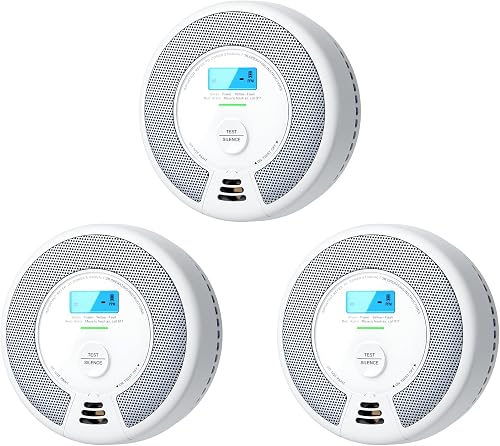
 Best for linked homes
X-Sense SC07-W Wireless Smoke and CO Alarm 3-Pack
X-Sense SC01 vs SC07: which should you choose?
Choose the SC07 for its LCD with real-time CO readings in PPM; choose the SC01 if you want a basic standalone combo alarm. Both detect smoke and carbon monoxide, come in 3-packs and use sealed batteries designed for 10 years.
The SC07 and SC01 do not connect wirelessly to one another or to a base station. If linked alerts matter in your home, compare a different model, such as the X-Sense SC07-W, and verify that the units you select belong to a compatible system.
The SC01 includes an 85 dB alarm and a display for real-time CO and battery information. The SC07's LCD also shows battery level and real-time CO readings in PPM, so it suits people who want that specific readout.
What do the SC01 and SC07 have in common?
Both are battery-powered combination alarms for smoke and carbon monoxide, with no rewiring needed. Each 3-pack includes mounting brackets, screws and anchor plugs for installation on a wall or ceiling.
Both models use photoelectric smoke sensors and electrochemical CO sensors. They meet UL 217 and UL 2034 standards for smoke and carbon monoxide detection.
The sealed battery means you don't replace a removable battery during the alarm's stated 10-year power life. It doesn't remove the need to follow the manual, respond to warnings or replace the alarm when required.
Both are standalone units. The word “combo” means one alarm detects smoke and CO; it doesn't mean it links to other alarms or sends alerts to a phone.
For a wider look at this category, see our guide to smoke alarm and carbon monoxide detector combos. It can help you compare combo alarms with other setups before deciding which features matter in your home.
Do the SC01 and SC07 have Wi-Fi or wireless links?
No, the SC01 and SC07 are standalone models without Wi-Fi, wireless interconnection or base station support. Don't buy either expecting alarms in different rooms to sound together.
X-Sense makes separate models for those features. The SC01-W and SC07-W support wireless interconnection, while the SC07-W does not have Wi-Fi; X-Sense identifies the SC07-WX and SC07-MR for Wi-Fi functionality.
Check the full model name before ordering, especially if you're comparing several X-Sense alarms. The “W” matters here: the SC07-W is a different model from the standalone SC07.
A connected system can be useful when a hazard starts far from where someone is sleeping or spending time. If you choose one, confirm compatibility and plan the number and placement of units using the manual and local requirements.
How do the SC01 and SC07 displays compare?
The SC07's LCD shows battery level and real-time CO readings in PPM. The SC01 also displays real-time CO and battery information, and its alarm is specified at 85 dB.
PPM means parts per million, a way to express the CO concentration shown on the SC07 display. A reading can provide useful information, but it doesn't replace the alarm's sound, its instructions or appropriate action if it warns of danger.
The two models share photoelectric smoke sensing and electrochemical CO sensing. The SC01's 85 dB alarm is a stated feature, while the SC07's standout difference is the LCD readout described above.
Don't choose between them based on an assumption that one detects a different hazard. Both are combination smoke and CO alarms; the practical choice is about the display and whether standalone operation fits your plan.
Which alarm fits a home that needs linked alerts?
Neither the SC01 nor the SC07 sends an alert through other alarms. For alarms that sound together, look at a wireless-interconnected model and check that all units you plan to use are compatible.
The SC07-W is the relevant alternative among these three products. When one unit detects smoke or dangerous CO levels, interconnected units sound together, and the model installs without rewiring.
The SC07-W is not the same as the SC07. It supports wireless interconnection but not Wi-Fi, so it suits a household seeking linked alarm sounds rather than phone-based alerts.
Read our SC07-W wireless combo alarm review for more about that separate model. You can also compare wireless interconnected smoke alarm sets if you're considering a wider system.
How should you set up a 3-pack?
Start with the manual and your home's layout, then mount each alarm where it can cover the intended area. The SC01 and SC07 mount on a wall or ceiling with the included bracket, screws and anchor plugs.
Before drilling, identify the surfaces and locations allowed by the manual and local requirements. Plan the coverage first, especially if the three alarms are intended for separate rooms or floors.
These models use sealed batteries and need no rewiring. That makes them an option when you want battery-powered installation, but it doesn't make every location suitable or override requirements for hardwired alarms in a particular home.
Once mounted, make sure the alarm is secure and follow its instructions for operation and care. For practical placement guidance, read where to place smoke detectors in a house and confirm that the advice fits combination alarms and your local rules.
What care and use mistakes should you avoid?
Keep the alarm installed and follow its manual for care, alerts and replacement. A sealed battery is designed for long service, but it isn't a reason to ignore the device or assume it never needs attention.
A common buying mistake is confusing a 10-year sealed battery with wireless capability. The battery describes the power source; it doesn't add linked alerts, Wi-Fi or a base station.
Another mistake is choosing a combo alarm because it detects two hazards and then assuming it covers every need. Think separately about where alarms must be installed, whether alerts need to travel across floors, and whether you want a CO reading displayed on the unit.
Don't treat the CO display as a substitute for responding to an alarm. Follow the manufacturer's instructions and relevant safety guidance if the unit warns you.
Also avoid ordering by the short name alone. SC07 and SC07-W are distinct models, and the SC07-W's wireless link still doesn't mean Wi-Fi; check the complete model number and desired features before buying.
Which X-Sense 3-pack should you choose?
Choose the SC07 for its PPM display, the SC01 for basic standalone coverage, or the SC07-W when linked alarms matter. Each choice fits a different need, so decide first whether a visible CO readout or shared alerts matters more.
The standalone SC07 is a straightforward pick if you want a displayed CO reading in PPM and battery information. It fits buyers who plan to use independent alarms and don't need wireless links or Wi-Fi.
The SC01 fits buyers who want a simple smoke and CO alarm in a sealed-battery 3-pack. Its 85 dB alarm and CO and battery display make it a sensible choice if you don't need the SC07's stated PPM readout distinction.
The SC07-W is for buyers who want alarms to sound together across linked units. Skip it if you require Wi-Fi, and don't mistake it for the standalone SC07.
For help deciding what combo alarms cover, read whether smoke detectors detect carbon monoxide. Our guide on how many carbon monoxide detectors a home needs can help you plan coverage by room and floor.
Final choice for x-sense sc01 vs sc07
For x-sense sc01 vs sc07, pick the SC07 if you want its LCD to show CO readings in PPM, or the SC01 for a basic standalone combo alarm. Choose the separate SC07-W if multiple alarms need to sound together, and confirm that its lack of Wi-Fi works for you.
Before installing any alarm, follow its manual and local requirements for placement. For a broader comparison of combo options, start with our smoke and CO alarm combo guide.
https://www.amazon.com/dp/B09VXVG56K (rel="sponsored nofollow"): See it on Amazon https://www.amazon.com/dp/B09T38V2SW (rel="sponsored nofollow"): See it on Amazon https://www.amazon.com/dp/B0BXX41LXR (rel="sponsored nofollow"): See it on Amazon
U.S. Fire Administration smoke alarm guidance
U.S. Fire Administration carbon monoxide guidance
Frequently asked questions
What is the difference between the X-Sense SC01 and SC07?
Both are standalone smoke and carbon monoxide alarms with sealed 10-year batteries. The SC07's LCD shows battery level and real-time CO readings in parts per million, while the SC01 has a real-time CO and battery display and an 85 dB alarm.
Do the SC01 and SC07 connect to each other?
No. The SC01 and SC07 are standalone models that don't support wireless interconnection, Wi-Fi or a base station.
The separate SC01-W and SC07-W models support wireless interconnection; the SC07-W does not have Wi-Fi.
Should I choose the SC07-W instead?
Choose the SC07-W if you want multiple alarms to sound together when one detects smoke or dangerous CO levels. It is a separate wireless-interconnected model, not the standalone SC07, and it does not have Wi-Fi.
Do the SC01 and SC07 need hardwiring?
No. Both use sealed lithium batteries designed to power the alarm for 10 years and require no rewiring for installation.
They mount on a wall or ceiling with the included bracket, screws and anchor plugs.


