Smoke Alarm vs Smoke Detector: What's the Difference? (October 2026)
Smoke alarm and smoke detector usually mean the same home warning device. For the right smoke alarm vs smoke detector choice, compare what it senses, how it gets power and whether it fits your existing system.
On this page (7 sections)
- Smoke alarm vs smoke detector: what is the difference?
- Should you buy a smoke-only or combination alarm?
- Which power source fits your home?
- Who should choose each of these alarms?
- How should you set up and care for an alarm?
- What common smoke alarm mistakes should you avoid?
- How do you make the final choice?
Smoke alarm and smoke detector usually mean the same home warning device. For a smoke alarm vs smoke detector choice, compare what it senses, its power source and whether it fits the wiring and coverage your home needs.
The name alone doesn't tell you whether a unit detects carbon monoxide, connects to other alarms or works on battery power. Those are the buying differences that matter.
 Best for smoke and CO
Kidde 30CUD10 10-Year Battery Smoke and CO Alarm
 Best for battery upgrades
Kidde 20SD10 10-Year Battery Smoke Alarm 3-Pack
Smoke alarm vs smoke detector: what is the difference?
For most households, the two names describe the same kind of device: one that senses smoke and warns people. Some technical uses distinguish a detector, which senses a hazard, from an alarm, which gives the warning.
A home unit often combines both jobs in one enclosure. It senses smoke and sounds an alert, with a light or other signal on some models.
When comparing choices, read the function rather than relying on the name. Confirm that the unit detects smoke, whether it includes an audible alarm and whether it is standalone or meant to connect with compatible equipment.
What should smoke alarm vs smoke detector shoppers compare?
Compare detection, power and compatibility before choosing between names. These three checks help you avoid buying an alarm that misses a hazard you need covered or does not fit your home's existing system.
A smoke-only alarm detects smoke. A combination alarm also detects carbon monoxide, but only when it is specifically designed for both hazards.
Power can come from replaceable batteries or a built-in battery. A hardwired connection with backup is another option.
Also check whether an alarm is intended to work by itself or interconnect with compatible devices. Our guide on how to choose a smoke detector explains the main sensor, power and placement choices.
Should you buy a smoke-only or combination alarm?
Buy a smoke-only alarm when you need smoke detection, and choose a combination unit when you also need carbon monoxide detection in that location. Smoke and CO are different hazards, so one detection function does not stand in for the other.
A combination alarm can simplify coverage where you want both functions in one device. It may be a practical fit if you are replacing an existing combo unit or want to reduce the number of separate devices in a suitable location.
Skip a combination alarm if you only need a smoke-only replacement that matches an existing system. Also skip one if its placement and instructions do not suit your home.
A smoke-only model does not cover carbon monoxide. Read our explanation of whether smoke detectors detect carbon monoxide before deciding.
Which power source fits your home?
Choose battery power for a location without a compatible alarm circuit, and choose a hardwired replacement only when it matches the installed wiring and devices. A battery model avoids a wired connection, while a hardwired alarm relies on AC power and may use a backup battery.
Battery-powered alarms can be easier to place where there is no existing alarm wiring. A built-in long-life battery also avoids routine battery changes, though the alarm still needs to be checked and replaced according to its manual.
A hardwired alarm is for an existing compatible setup, not a universal substitute for any wired unit. The First Alert SMI100-AC uses 120 V AC power with 9 V backup and can interconnect with compatible devices.
Check model and connector compatibility before replacing a wired alarm. Have a qualified electrician handle the work if the wiring or connections are unclear.
For a broader comparison, see wired vs wireless smoke detectors.
Who should choose each of these alarms?
Choose the Kidde 30CUD10 for one battery-powered smoke and CO alarm, the Kidde 20SD10 for several smoke-only locations, or the First Alert for a compatible hardwired setup. The right option depends on the hazard coverage and power arrangement you need.
The Kidde 30CUD10 suits a location where both smoke and CO detection are needed in one unit. Its built-in 10-year battery, red LED and audible alarm reduce the need for routine battery replacement.
Its sensing technology is designed to help reduce alarms from everyday cooking or steam. Skip it if you need multiple smoke-only alarms or a wired replacement.
The Kidde 20SD10 is the clearest fit when you want several battery-powered smoke alarms. It comes as a 3-pack, with a built-in 10-year battery and an 85 dB alarm on each unit.
Skip it if you need carbon monoxide sensing or a hardwired replacement.
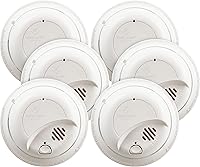
The First Alert SMI100-AC is for homes with a compatible hardwired system. It includes six alarms and battery backup.
It can interconnect with compatible devices. Skip it if you lack the matching wiring or are unsure whether it will connect to your existing alarms.
How should you set up and care for an alarm?
Install each alarm in the locations and manner specified by its instructions and local requirements. A suitable device cannot provide useful coverage if it is placed or connected incorrectly.
Plan coverage for each level and sleeping area, then check the model instructions for exact placement. Distance from kitchens, bathrooms, walls and ceiling features can affect where an alarm belongs, so avoid guessing based on a room's convenience.
For battery models, confirm the power arrangement before mounting. A built-in battery model does not take routine replacement batteries, while a model with a backup battery needs that backup maintained as directed.
For hardwired alarms, turn to the model instructions and existing system requirements before disconnecting anything. Interconnected units must be compatible, and a replacement should preserve the intended system behavior.
After installation, use the test function and maintenance steps in the manual. Keep the instructions accessible.
Respond to alarms or fault signals promptly. Use our guide to where smoke detectors belong in a house to plan coverage.
What common smoke alarm mistakes should you avoid?
The most common mistakes are assuming smoke detection covers CO, choosing a power type that does not fit, and treating an alarm's name as proof of compatibility. Verify each function and connection before mounting a replacement.
Do not mistake a combo alarm for a guarantee that every area in a home has CO coverage. Plan device locations and quantities based on local requirements and the specific instructions for each unit.
Do not swap a hardwired alarm based only on its shape or brand. Wiring harnesses and interconnection systems may differ, so check compatibility first.
Do not disable an alarm because cooking or steam causes nuisance alerts. Use the model's silence feature when appropriate, improve placement only within the allowed guidance, and keep working smoke protection in place.
Do not ignore chirps, lights or other signals. Their meaning can vary by model.
Identify the alarm and consult its manual. Our guide to why a smoke detector keeps beeping covers common next steps.
How do you make the final choice?
Pick a smoke-only battery alarm for a simple battery-powered smoke replacement, a combo alarm when you need smoke and CO sensing together, or a hardwired model for a compatible wired system. The smoke alarm vs smoke detector label matters less than those three decisions.
Choose the Kidde 30CUD10 when one unit should detect both smoke and CO. Choose the Kidde 20SD10 when you need three smoke-only alarms with built-in batteries.
Choose the First Alert SMI100-AC when replacing or expanding a compatible hardwired arrangement.
If you are still comparing types, start with the smoke detector guide and match its advice to your home's wiring, coverage plan and local rules.
Frequently asked questions
Are a smoke alarm and smoke detector the same thing?
In everyday home use, smoke alarm and smoke detector often mean the same device: a unit that senses smoke and warns people with an alarm. In some technical contexts, detector means the sensing part and alarm means the warning device.
Check the exact functions and connections when comparing equipment.
Does a smoke detector always make a sound?
A home smoke detector commonly includes an audible alarm, but the term can also describe a sensing device that signals another alarm or control system. Check whether the unit is standalone or designed to connect with compatible devices, and follow its instructions for installation and testing.
Can a smoke alarm detect carbon monoxide?
A smoke-only alarm does not detect carbon monoxide. You need a separate CO alarm or a combination alarm designed to sense both; our guide to smoke detectors and carbon monoxide explains the difference.
Should I buy a battery or hardwired smoke alarm?
Choose based on the wiring already in place, local requirements and the alarm's instructions. A hardwired replacement must match the existing setup and compatible connections, while a battery model avoids a wired power connection; see our guide to wired vs wireless smoke detectors for more.
Where should smoke alarms go?
Place alarms according to local rules and the manufacturer's instructions, including guidance for each level and sleeping area. Room layout and ceiling shape can affect placement, so use our smoke detector placement guide and check local fire safety guidance.