Carbon Monoxide Detector Chirping 5 Times
If a carbon monoxide detector chirps 5 times, get everyone outside and call emergency services from fresh air if the sound repeats or anyone feels unwell. The meaning depends on the model, so identify the pattern only after the home is confirmed safe.
On this page (9 sections)
- What does a carbon monoxide detector chirping 5 times mean?
- What should you do when a CO detector chirps 5 times?
- How can you tell a CO warning from a maintenance chirp?
- Should you reset or unplug a detector that chirps five times?
- Which detector features help when a CO alarm chirps?
- How should you set up and care for a replacement alarm?
- What mistakes should you avoid after five chirps?
- When should you replace a CO detector that keeps chirping?
- Which choice makes sense after a carbon monoxide detector chirps 5 times?
If a carbon monoxide detector chirps 5 times, get everyone outside and call emergency services from fresh air if the sound repeats or anyone feels unwell. Five chirps don't have one universal meaning, so check the exact model and pattern only after the home is confirmed safe.
Carbon monoxide has no smell, and you can't judge the air by sight. If you're unsure whether the sound is an alarm or a maintenance signal, leave first and get guidance before going back inside.
What does a carbon monoxide detector chirping 5 times mean?
Five chirps may indicate a CO warning, fault, low battery, or end-of-life signal, depending on the detector. The number of chirps alone isn't enough to identify the message; note whether the sequence repeats, how long the pauses are, and whether a light or display changes.
Once outside, find the brand and model number in the detector's manual or official manufacturer instructions. Match the complete pattern, including the lights and any display message.
Don't guess based on a chirp count from another model.
If you can't identify the signal, treat it as a possible CO warning. A repeating alarm, anyone feeling unwell, or continued uncertainty calls for leaving the building and contacting emergency services from outside.
What should you do when a CO detector chirps 5 times?
Leave the building for fresh air if the alarm repeats or anyone has symptoms. Bring people and pets with you, and call emergency services from outside.
Don't stop to troubleshoot, open windows, silence the alarm, or retrieve belongings. Don't re-enter to read the detector label or check a display.
If the alarm sounded once and stopped, stay outside if you aren't sure what it meant. Contact emergency services or the fire department for guidance before returning.
What symptoms matter when a carbon monoxide alarm chirps?
Headache, dizziness, weakness, nausea, chest pain, and confusion are reasons to get outside and call emergency services. Tell responders that a CO alarm sounded and describe anyone's symptoms.
Don't drive yourself if you feel impaired. Follow responders' advice about medical care, even if symptoms ease after reaching fresh air.
How can you tell a CO warning from a maintenance chirp?
Use the detector's model-specific instructions to identify the full signal pattern. The chirps, pauses, indicator lights, and display messages together can help distinguish a CO warning from a fault or low-battery alert.
Some models use short periodic chirps for maintenance. That doesn't mean every pattern of five chirps is harmless, or that the air is safe.
For a repeating alarm, symptoms, or uncertainty, leave and get help first. After you confirm the alarm isn't warning of CO, follow how to test a carbon monoxide detector for routine checks.
Should you reset or unplug a detector that chirps five times?
Don't unplug, remove batteries, or reset an alarm while a CO warning may be active. A silence feature can stop the sound without removing a hazard, so use it only as the manual directs after the area is confirmed safe.
Once responders confirm it's safe, follow the manual to clear a fault or test the alarm. Replace a battery only if the instructions identify a low-battery signal and say the battery can be replaced.
If the detector keeps chirping after you follow the recommended steps, it may need replacement. Keep a working CO alarm in place while you handle the problem.
Which detector features help when a CO alarm chirps?
Choose a detector whose power source, backup, and alert information fit your home. A display or peak-level memory may help you understand a reading after an alert, but neither feature replaces evacuation or emergency response.
The Kidde plug-in alarm with digital display suits a home with an outlet in the desired location and a reader who wants to see sensed CO levels. Its 9V battery backup helps keep it powered during an outage, and its peak-level memory records the last detection or test.
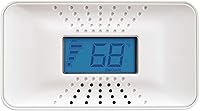
The First Alert CO710 fits someone who wants a standalone, battery-powered alarm without routine battery changes. Its built-in 10-year lithium battery and backlit display showing temperature and current and peak CO concentrations are useful when you want those details at a glance.
The Kidde plug-in model with AA backup suits a home where an outlet is convenient and you prefer AA batteries for backup. Peak-level memory and a test-hush button add useful controls for checking the alarm and silencing it as directed.
Skip a plug-in detector if the outlet location doesn't match the placement instructions or you want a battery-only unit. Skip a display-focused model if you don't need readings and mainly want a simple audible alert.
Plan coverage as well as the individual alarm. See how many carbon monoxide detectors you need, and compare plug-in versus battery CO detectors before choosing a power type.
How should you set up and care for a replacement alarm?
Install and maintain the alarm according to its manual, including its placement, power, and test instructions. A replacement is only useful if it's installed in a suitable location and remains powered.
For a plug-in model, choose an outlet that follows the manufacturer's placement guidance, then fit the specified backup batteries. The Kidde models here use a 9V battery or two AA batteries for backup, depending on the version.
For a battery-only alarm, position it as instructed and note the built-in battery's service life. The First Alert CO710 is designed with a 10-year lithium battery; keep its model and installation details where you can find them later.
Use the test button as directed and check the unit's manual for what its lights and sounds mean. Dust or other buildup can affect alarms, so follow the manufacturer's cleaning instructions rather than spraying cleaners or covering the unit.
Use the detector's test button and manual for routine checks. A successful alarm test confirms that the sounder works; it doesn't prove the air is free of CO.
What mistakes should you avoid after five chirps?
Don't assume a familiar chirp count means the same thing on every alarm. Model differences make the manual essential, and a possible CO warning takes priority over identifying a fault.
Avoid these common mistakes:
- Silencing the alarm before leaving: A stopped sound doesn't show that the air is safe.
- Removing batteries or unplugging the detector: This can leave the home without an active alarm.
- Treating one quiet interval as an all-clear: Wait for emergency responders or official guidance if the signal could mean CO.
- Using a test button to diagnose an active warning: Test only after the immediate danger has been addressed and the manual says it's appropriate.
- Replacing the unit without checking the model: You may choose the wrong power type or miss a placement requirement.
- Leaving no working alarm during replacement: Arrange a working replacement promptly and maintain coverage while handling the old detector.
When should you replace a CO detector that keeps chirping?
Replace a detector when its instructions identify the signal as end of life or say the unit has reached its service limit. Don't rely on an alarm that continues to signal a fault.
Check the date and model label after the area is safe. Follow the manufacturer's replacement steps, install a working alarm promptly, and use its manual to test it.
Which choice makes sense after a carbon monoxide detector chirps 5 times?
For a carbon monoxide detector chirping 5 times, safety comes first; choose a replacement only after the home is confirmed safe. Pick the Kidde with 9V backup if you want a digital display and have a suitable outlet, the Kidde with AA backup if those batteries fit your preference, or the First Alert CO710 for standalone battery power and a built-in 10-year battery.
If the alarm's manual identifies an end-of-life or fault signal, follow its directions and restore working coverage promptly. For ongoing coverage planning, use our guide to how many carbon monoxide detectors you need.
Frequently asked questions
What does it mean when a carbon monoxide detector chirps 5 times?
Five chirps can mean different things on different alarms, including a fault or end-of-life signal, so check the model's manual for its exact pattern. If the alarm repeats as a CO warning, or anyone has symptoms, leave immediately and call emergency services from outside.
Should I silence a carbon monoxide alarm that chirps 5 times?
Don't silence or remove power from an alarm that may be warning of carbon monoxide. Move everyone outside first, call emergency services if the alarm pattern indicates CO or anyone feels unwell, and check the manual only once you're safe.
Can a low battery cause 5 chirps?
It depends on the detector model. Some alarms use periodic chirps for a low battery or fault, while other patterns can signal carbon monoxide.
Use the model number and manual to identify the sound, and treat a possible CO alarm as an emergency.
When should I replace a carbon monoxide detector?
Replace a detector when its end-of-life signal sounds or its manual says the unit has reached the end of its service life. Don't rely on a detector that keeps signaling a fault; check the instructions and install a working replacement promptly.